The Musée Saint-Remi: a thousand years of history in the old royal abbey
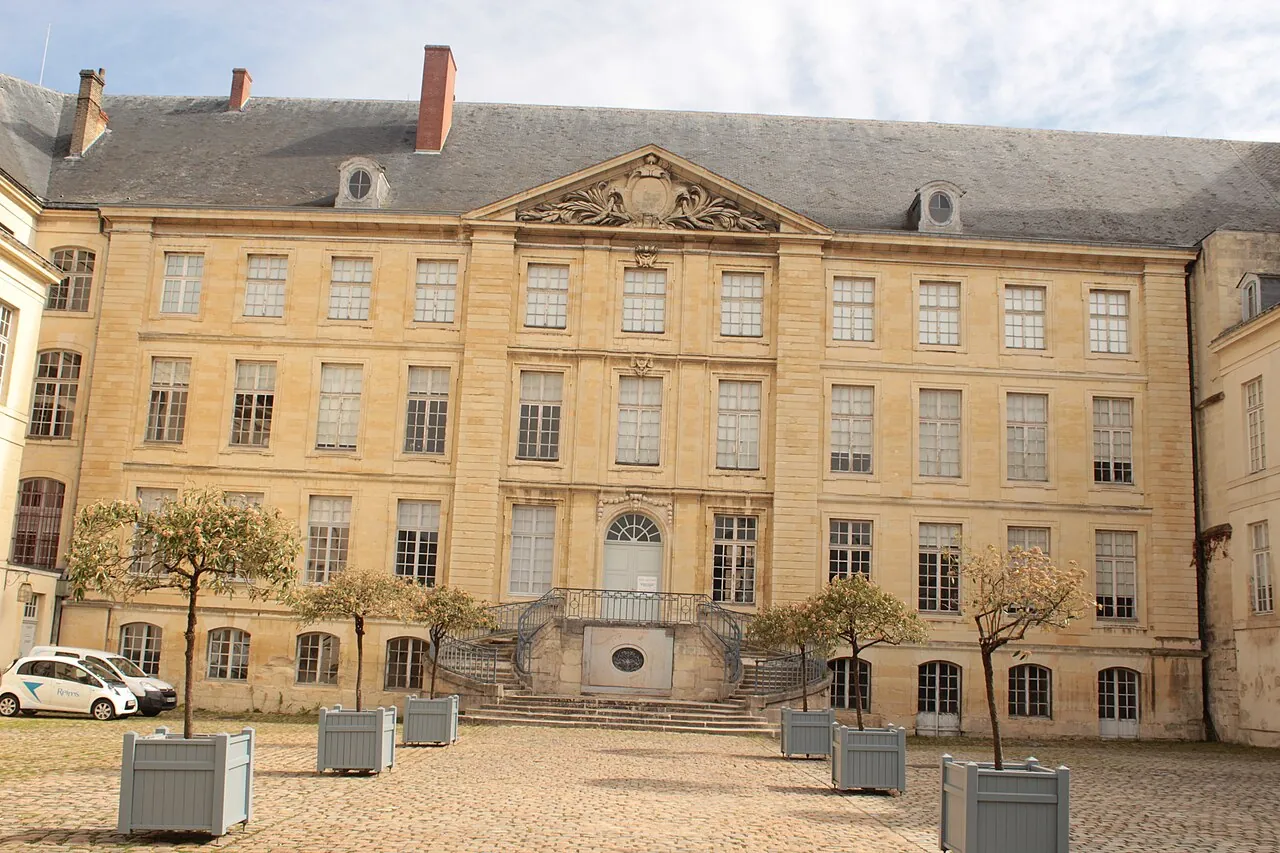
In the heart of the Saint-Remi quarter, the royal abbey that guarded the Holy Ampulla has become one of the richest museums in north-east France — and admission is free.
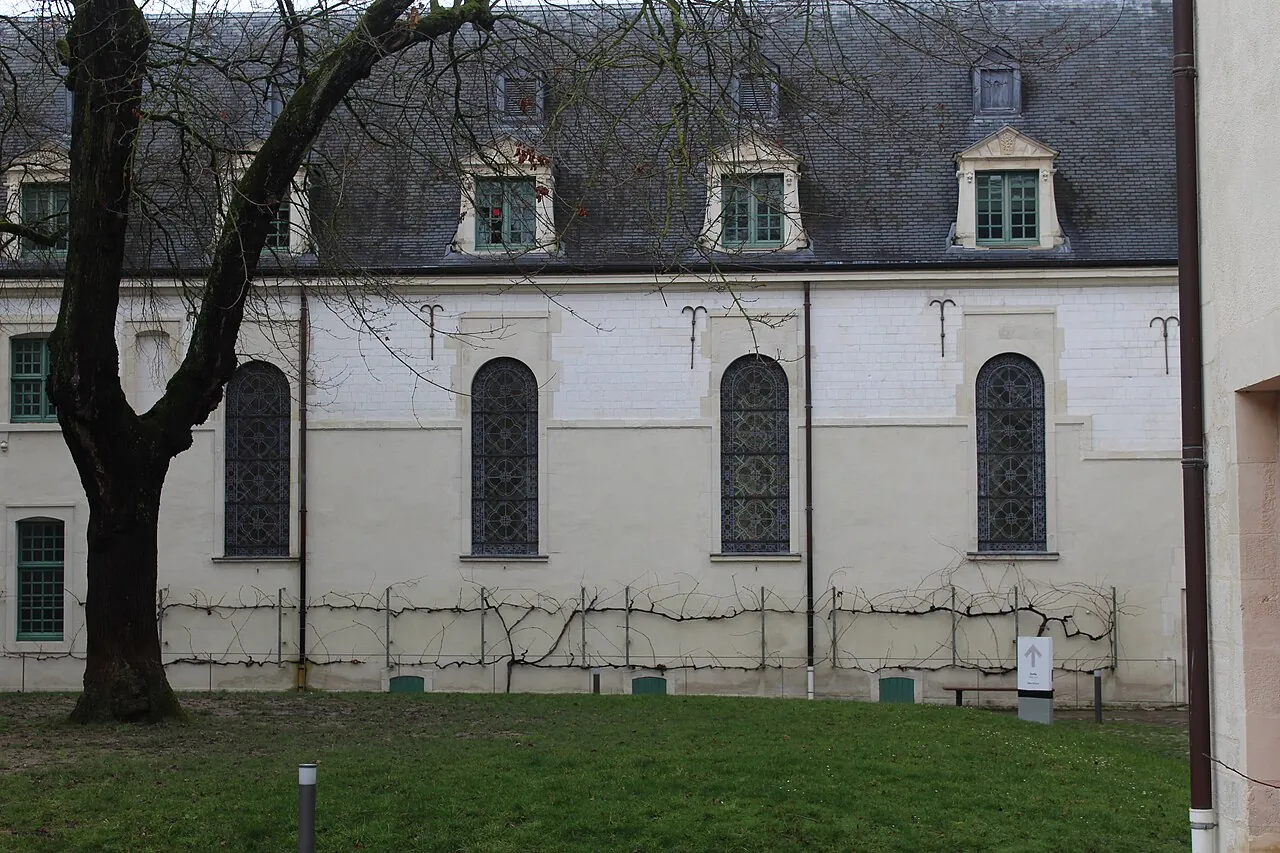

Ten minutes from the basilica, a 17th-century college that became a hospital, then one of Sciences Po’s largest campuses. Behind the classical façade hides a baroque library.
Given to the city by a champagne house in 1909, the former Parc Pommery is still the finest garden in Reims. Around it lies a ring of promenades, squares and stretches of water that visitors are rarely told about.
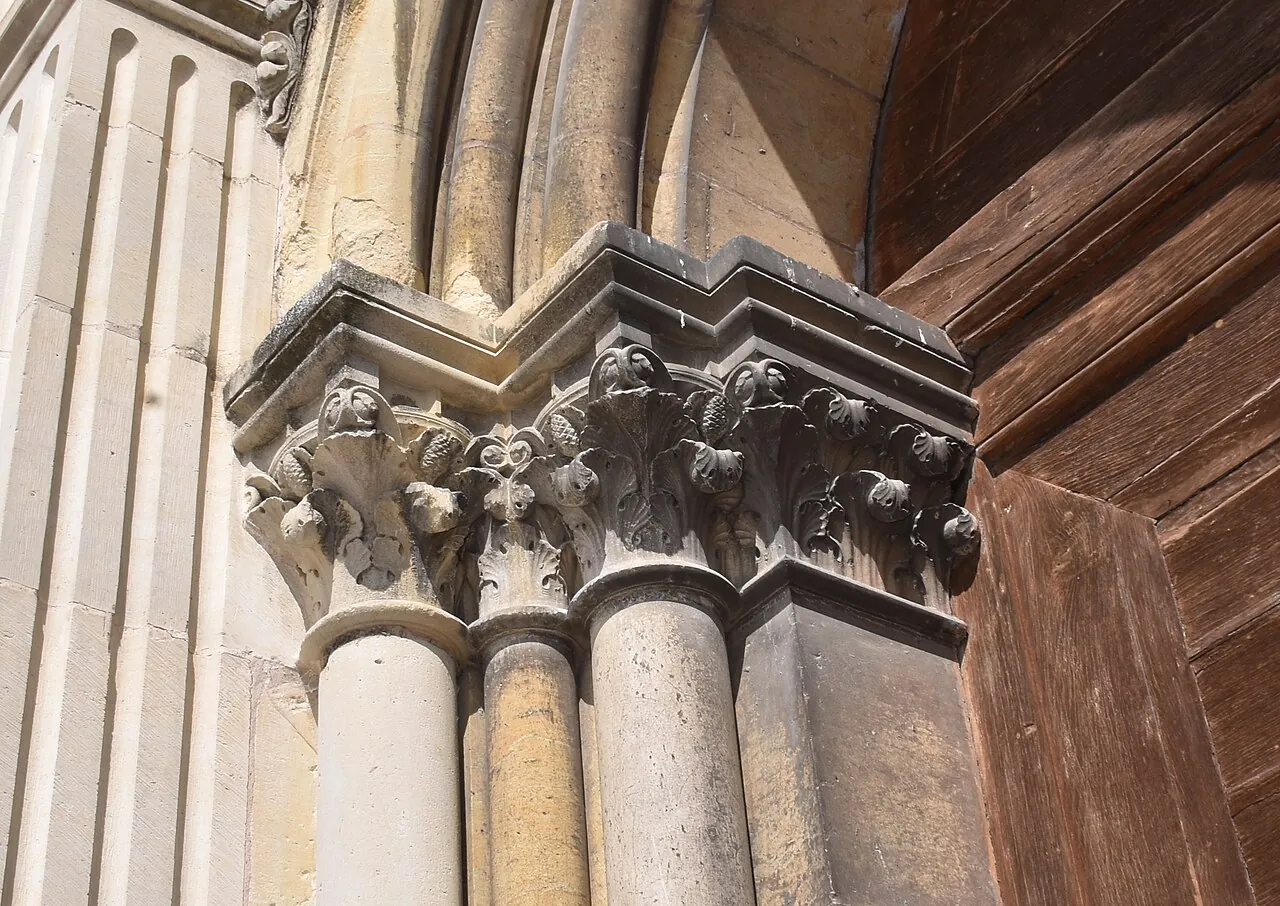
From Clovis to Charles X, Reims was the setting for the coronation of almost every king of France. The tradition began at the foot of the Basilica of Saint-Remi.
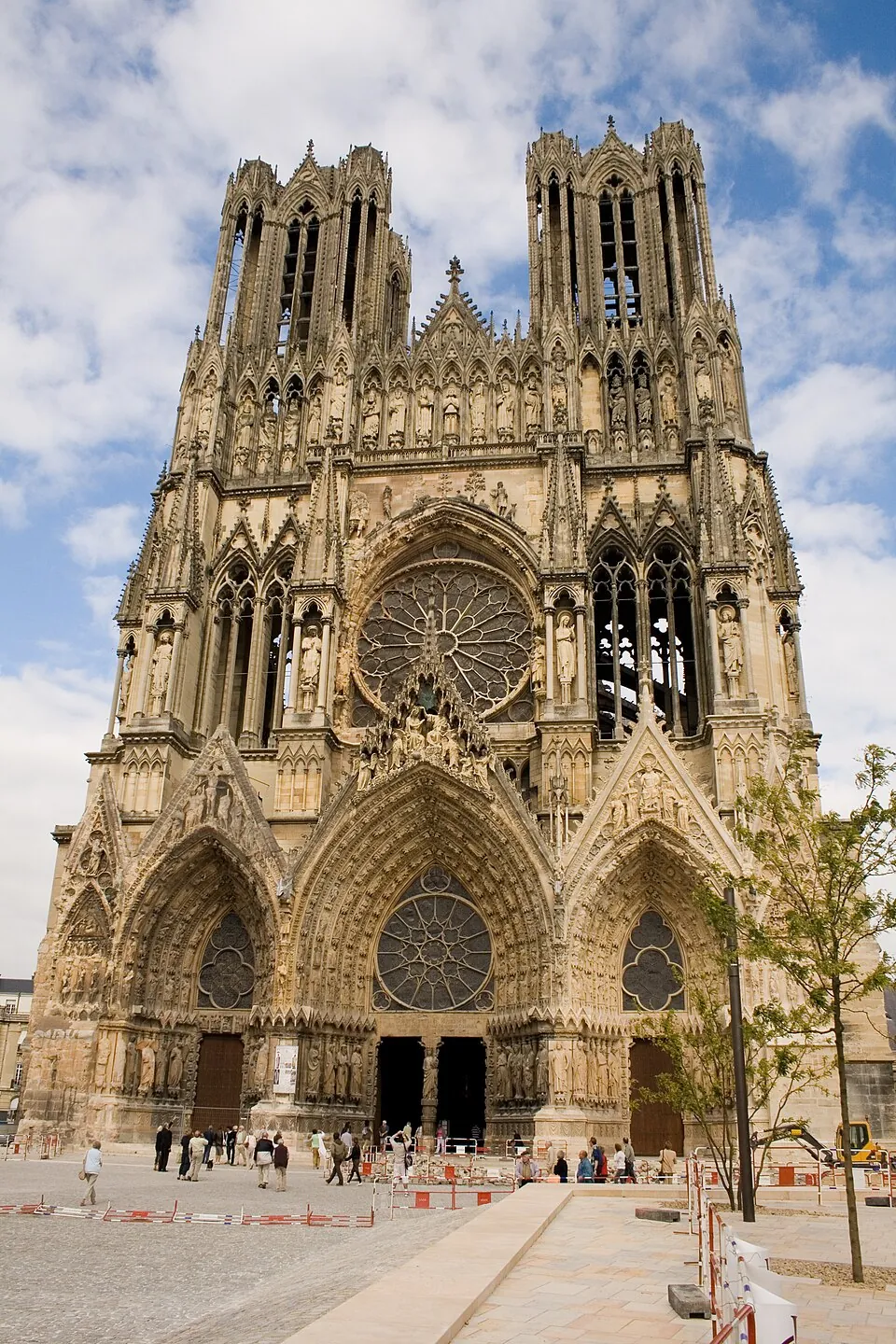
More than two thousand statues, a Smiling Angel that became the city’s emblem, and a UNESCO listing shared with the Palace of Tau and the Basilica of Saint-Remi.
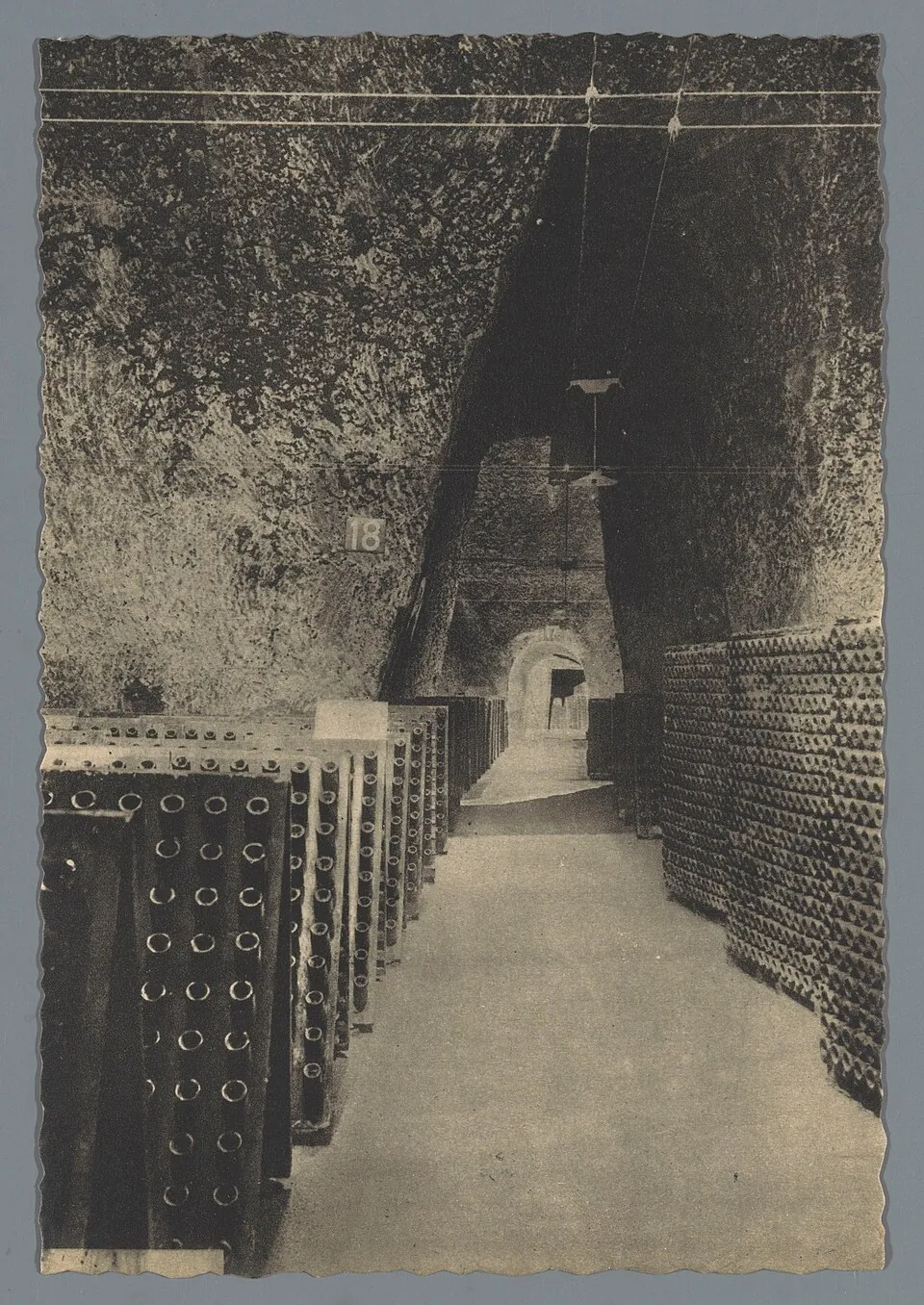
A network of chalk galleries dug by the Romans runs beneath the city. It is there, in the cold and the dark, that millions of bottles slowly age.
In a classroom turned Allied headquarters, Germany signed its surrender. The room has been kept exactly as it was, a few minutes from the station.
A simple itinerary, from Romanesque to Gothic and on to the Champagne cellars, with a lunch break at the right moment.